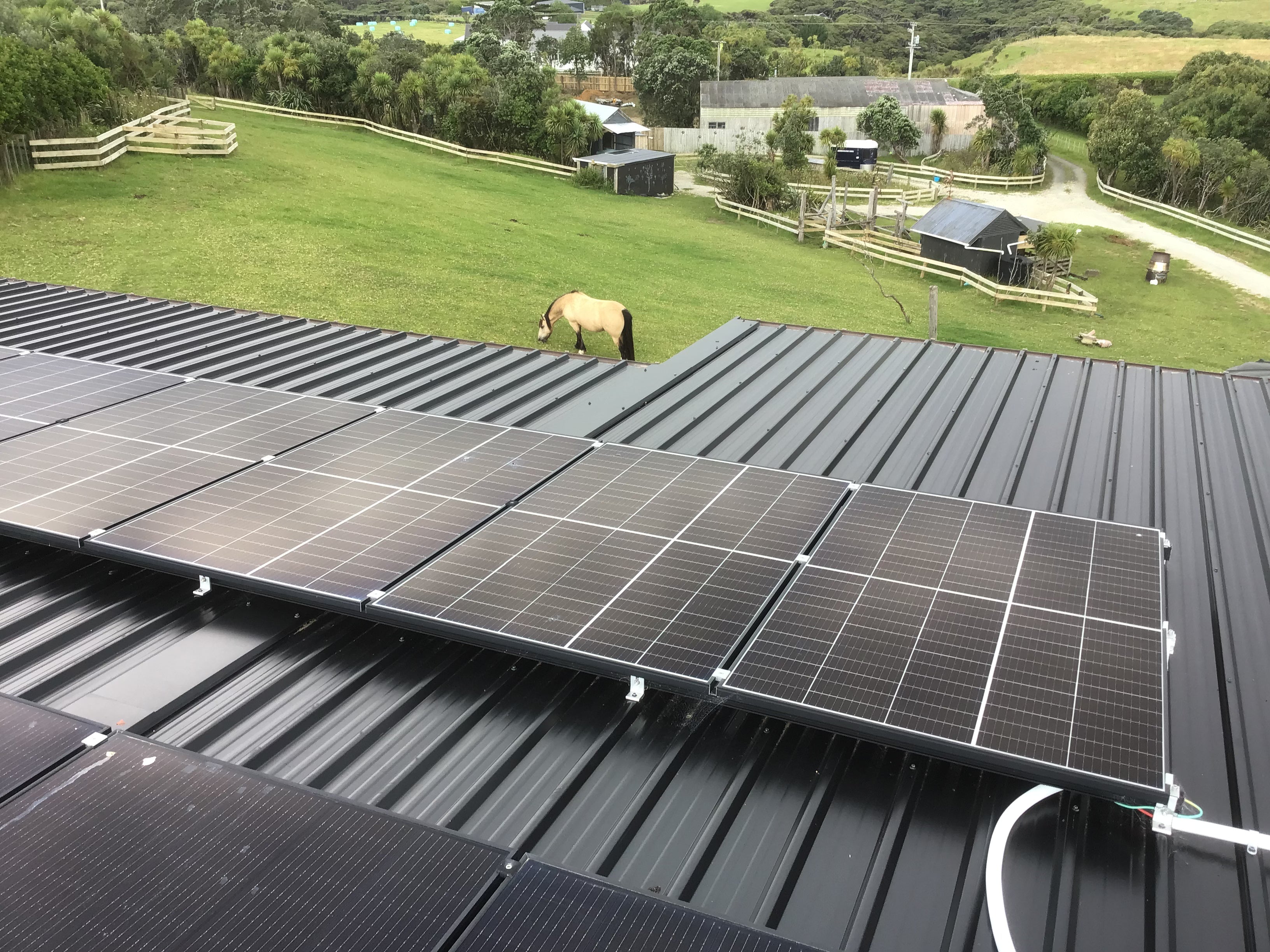
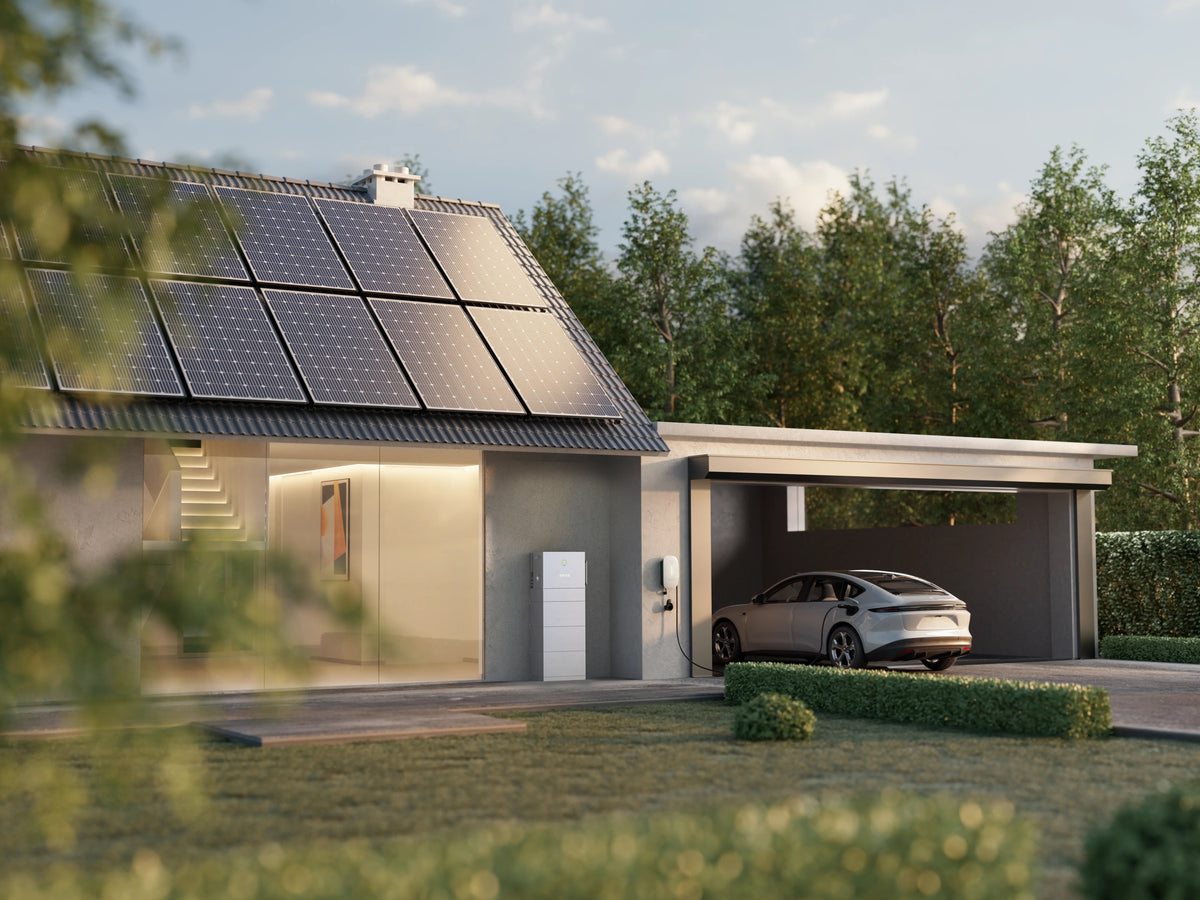
WHES_Solar_House.jpg
ALREADY CONNECTED TO THE GRID?

Our Grid-Tied Solar Packages

can help free yourself from the grid and protect yourself from
rising energy costs by owning your power.

How Residential Solar Works

Why Choose GridFree For Residential Solar.

If you're asking yourself, “Doesn’t GridFree do off-grid solar only?” the short answer is: not anymore.

We're bringing an off-grid attitude to grid-tied solar by helping more people own their own power.

We couldn’t be prouder of the reputation and the knowledge we’ve built helping Kiwis with off-grid solar. We've been working quietly, polishing our grid-tied solutions, so it's ready for launch.

That means bringing the same transparency, expertise, quality gear and exceptional support our customers have come to expect from us to even more Kiwis.
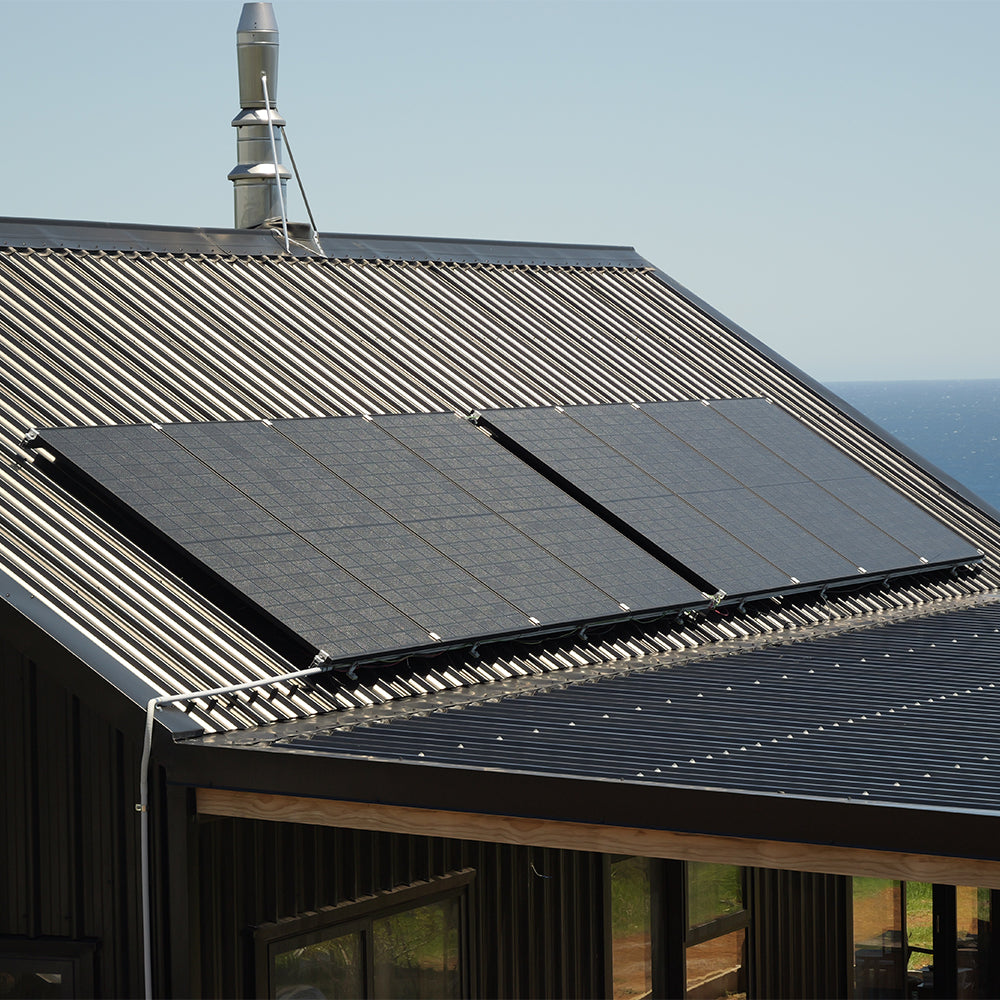
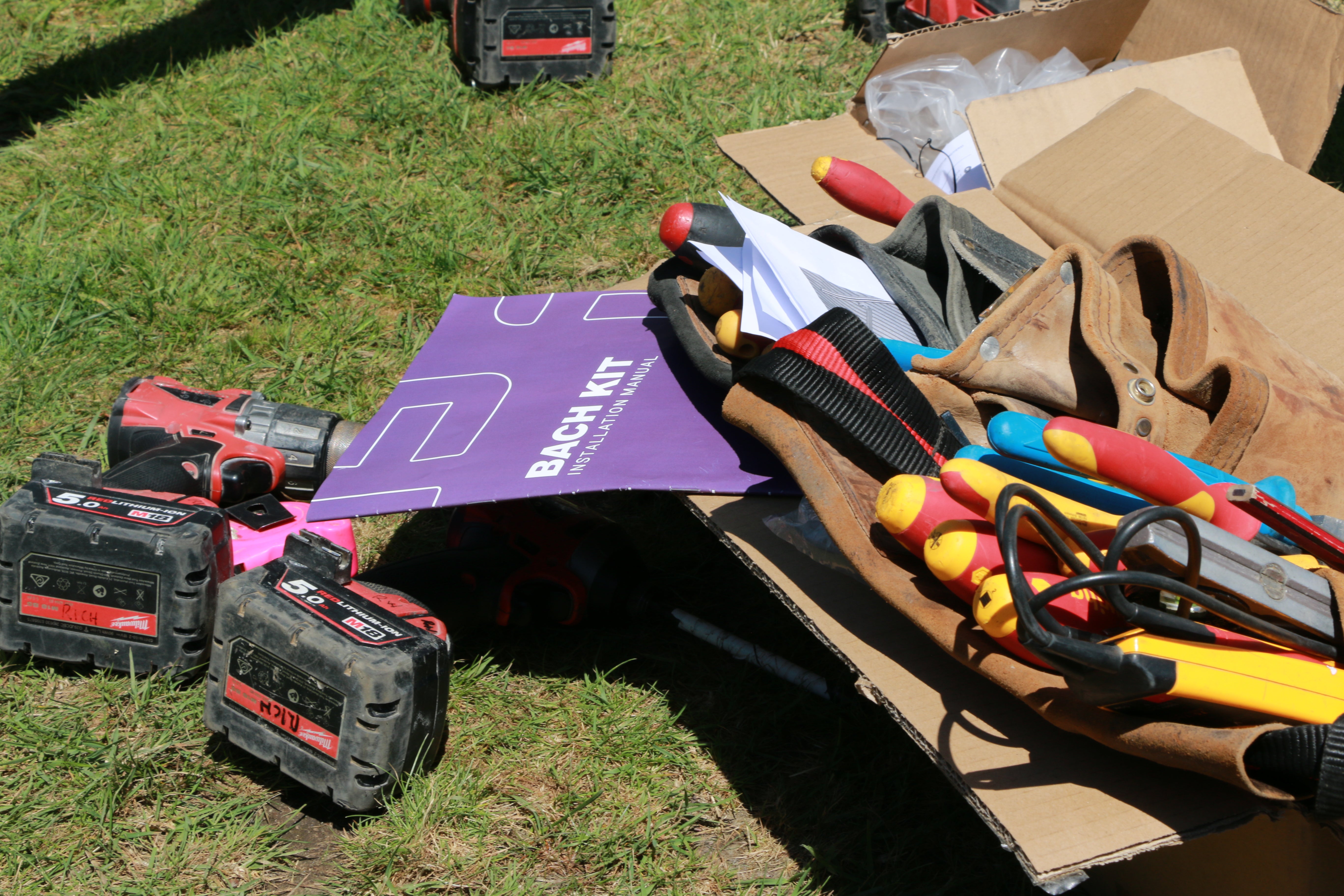
Universal_Roof_Mount.jpg

Why Batteries for Residential Solar?

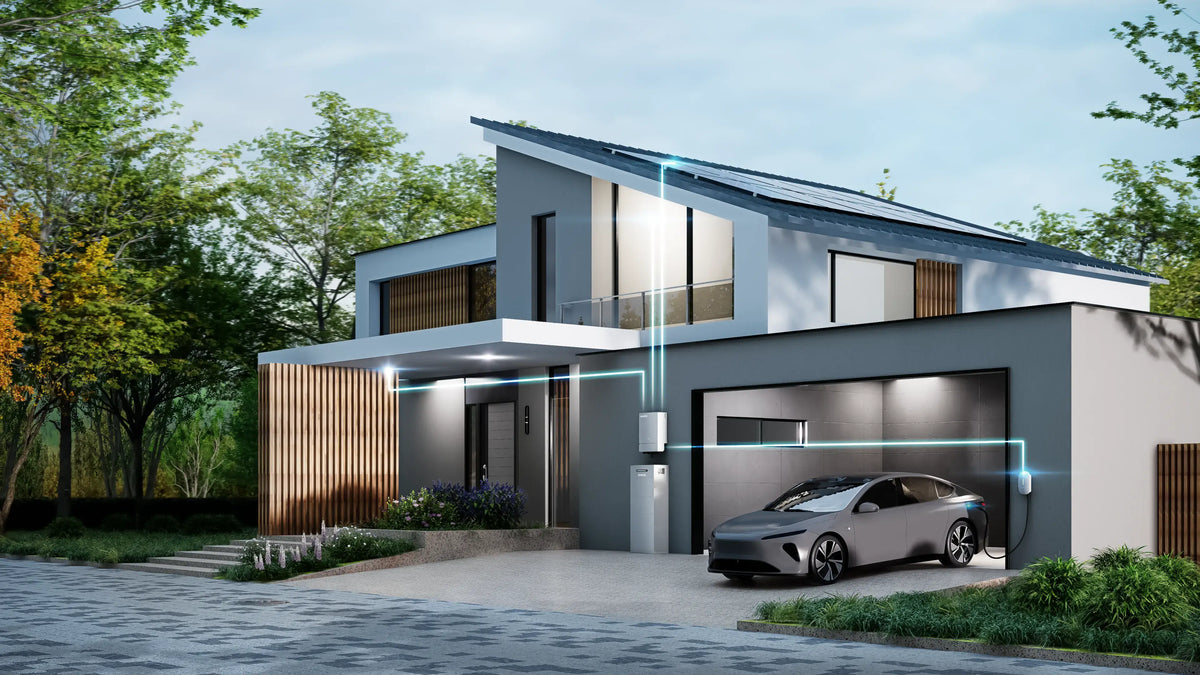
Batteries let you own your power.

In an off-grid context, batteries are essential.

Grid-tied solar panels generate electricity during the day, and any excess solar energy can be stored in your batteries for later use, when your panels aren’t producing.

That means you can make the most of the solar you generate, rather than selling it back to your electricity retailer for pennies.

And if your battery is full, any surplus energy can still be exported to the grid.

When your solar and battery power aren’t enough, your home can still draw electricity from the grid as normal.

With a battery system, you get the best of both worlds: solar power during the day, battery storage when you need it, and the grid there as backup when you need a little extra.
3.D2-tYvcg.webp3.D2-tYvcg.webp
Solar Payback

Is Solar Worth it in NZ?

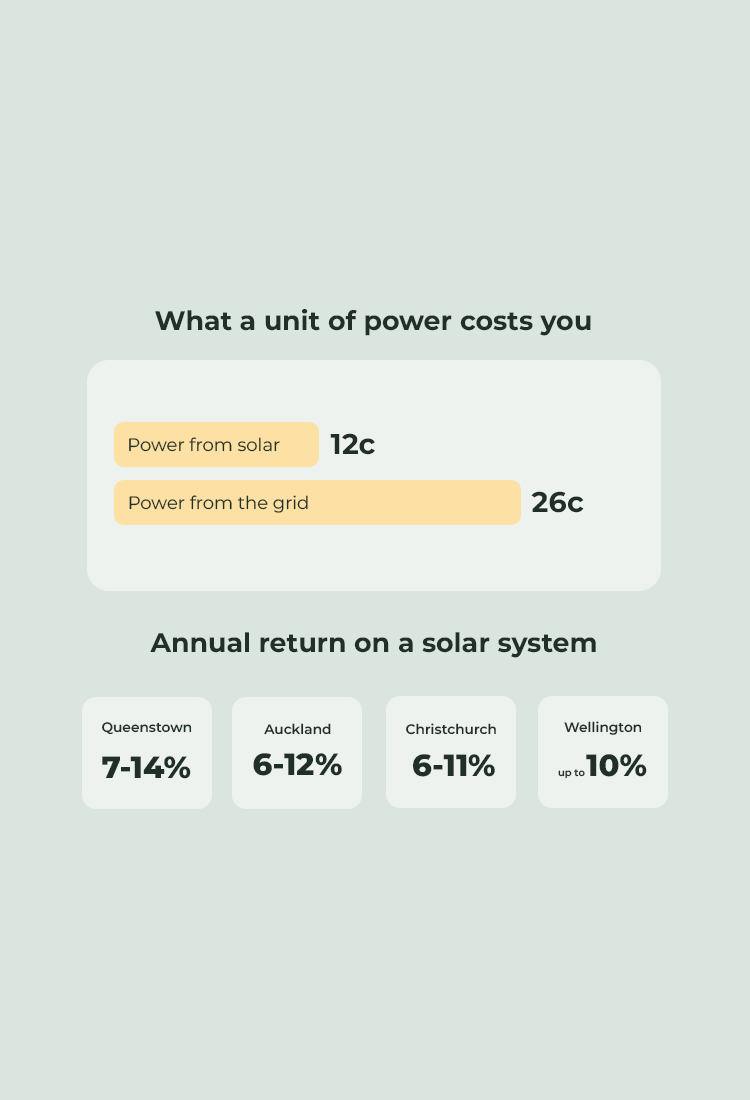
Solar stacks up financially for most New Zealand homes. A government study by EECA in June 2025 found that a standard 5kW system on a north-facing roof earns a return of about 6 to 12 percent a year in Auckland, 6 to 11 percent in Christchurch, 7 to 14 percent in Queenstown, and up to 10 percent in Wellington. 

Rewiring Aotearoa reckons solar power works out at around 12 cents a unit, compared to about 26 cents for power from the grid, so it's the cheapest electricity a home can get.

You save the most by using your own power during the day, because anything you sell back to the grid earns you a lot less.

References:

EECA, Understanding the value of residential solar PV and storage in New Zealand (June 2025); Rewiring Aotearoa, Electric Homes & Vehicles 2026.
Graph_Payback_UnitPower_Grid-Tied_LP.png

We've helped thousands of customers across NZ

RESIDENTIAL SOLAR FAQ

Frequently asked questions

Solar_Panels_85981715-714e-455d-bef4-4201bbab9a00.jpg

It sure does. New Zealand is a great place for solar, with plenty of daylight throughout the year. Most parts of the country receive between 1,700 and 2,100 hours of sunshine annually.

NZ has an established framework for solar installs. Many people in the country, in all major cities, receive a good return on their investment, both on-grid and off-grid.

The cost of a home solar system in New Zealand can vary significantly depending on the size and design of the system. The type and number of solar panels, inverter capacity, battery storage, installation requirements and your home’s energy needs will all affect the final price.

As a general guide, residential solar systems with battery storage can cost between $20,000 to $35,000. However, these are indicative figures only, and installation costs apply.

A home battery stores the excess electricity your solar panels generate during the day, so you can use it later when your panels aren’t producing enough power.

When your solar system is generating more electricity than your home is using, the excess power is first used to charge your battery. Once the battery is fully charged, any additional electricity can be exported to the grid.

When your home needs more electricity than your solar panels are currently producing, the battery can discharge and supply the extra power. This means you can make greater use of the solar energy you generate, rather than relying on electricity from the grid when the sun isn’t shining.

For many households, a battery can also provide backup power during a grid outage.

How many solar panels you need depends on a few key factors, starting with your household’s energy use. A retired couple will typically use very different amounts of power compared with a growing family, while things like swimming pools, spas and EVs can significantly increase your energy needs.

Your location also plays a role. The amount of energy your panels can produce depends on the available daylight and solar conditions where you live.

Finally, there’s your roof. The available roof space determines how many panels you can install, how much energy your system can generate and, ultimately, the overall cost.

Choosing to install a solar system in your home is a significant investment, and there are several factors worth considering before making a decision. Your household’s energy consumption, roof size and orientation, location, available sunlight, system size, battery storage and budget can all influence which solar solution is right for you.

It’s also important to consider how you use electricity throughout the day, how much energy you want to generate, and whether your goal is to reduce your power bills, gain greater energy independence, or have backup power when the grid goes down.

While solar may have some upfront costs and practical considerations, the long-term benefits can make it a worthwhile investment for many homes. A well-designed system can help reduce your reliance on grid electricity, lower your ongoing energy costs and give you greater control over where your power comes from.

One of the advantages of solar is that it requires very little ongoing maintenance once installed. Solar panels have no moving parts, so there is generally very little that needs regular attention.

Keeping the panels clean can help maintain their performance, particularly if they are exposed to dust, dirt, bird droppings or other debris. In most cases, an annual inspection and clean is a good way to keep your system operating efficiently.

Other components, such as the inverter and battery, may require servicing or replacement over time. Inverters typically need to be replaced after around 10 to 15 years, depending on the equipment and operating conditions but often last well beyond this.

Batteries also have a finite lifespan, although this varies depending on the battery technology, usage and manufacturer.

Most residential solar installations can be completed in around two days, so you can start enjoying the benefits of your new system without a long installation process.

The exact timeframe will depend on the size of your system and the complexity of the installation. Factors such as roof access, panel layout, battery storage and where the inverter is installed can all affect how long the work takes.

Our team will let you know what to expect before installation begins and keep the process as straightforward as possible, with minimal disruption to your home and day-to-day life.

Yes. Solar panels can be a great way to power an electric vehicle using electricity generated at your home. Instead of buying all the electricity needed to charge your EV from the grid, you can use your own solar generation to reduce the amount of grid power you need.

The amount of solar you need depends on how much you drive, your EV’s battery size and how often you charge. Someone who drives a short distance each day will have very different energy requirements from someone who regularly travels long distances.

Your solar system can supply electricity to your home and EV at the same time. The system will distribute available energy based on your household's demand and the EV charger’s requirements.

Let's Get Started

Send us a quote request. We'll guide you on your solar journey from there.

Find the right solution

We'll guide you to the right solution and help you understand the costs with our transparent pricing

Remote or in-person site visit

So we can confirm the scope of the project and make sure your ideal solution will fit.

Confirm and schedule

Once we have the green light from our technical team, we can proceed with the order and get the install scheduled.

Support all the way

We're there for you and the installer during installation, commissioning, and beyond.